Formal Name: Socialist Republic of Vietnam
Local Name: Việt Nam
Local Formal Name: Cộng hòa Xã hội chủ nghĩa Việt Nam
Vietnam and Systematic Trading
Vietnam has been one of the fastest-growing economies in Asia for three decades, turning itself into a manufacturing and export hub for electronics, apparel and furniture. It is also a commodity heavyweight: the world’s largest producer of robusta coffee, the largest exporter of black pepper and cashews, and one of the top rice exporters. Robusta coffee futures trade in London, so Vietnamese harvests and weather show up directly as trends in a global market.
The Vietnamese dong is managed by the State Bank of Vietnam within a band around a daily reference rate, which limits trends in the dong itself. For systematic traders, Vietnam’s influence reaches global markets mainly through commodities and through regional currencies and equity markets that respond to the same trade and growth cycles.
Vietnam’s stock markets are young and growing fast. The Ho Chi Minh Stock Exchange lists the VN-Index, and the Hanoi Stock Exchange lists VN30 index futures, launched in 2017, and government bond futures. Individual investors account for most trading, which tends to amplify momentum in both directions: when prices start to run, many traders follow, and the trend extends.
For Vietnamese investors, a globally diversified systematic portfolio offers exposure to trends in equity indices, bonds, currencies and commodities across all major regions. Those returns do not depend on the dong, the domestic property market or the sectors that dominate the VN-Index.
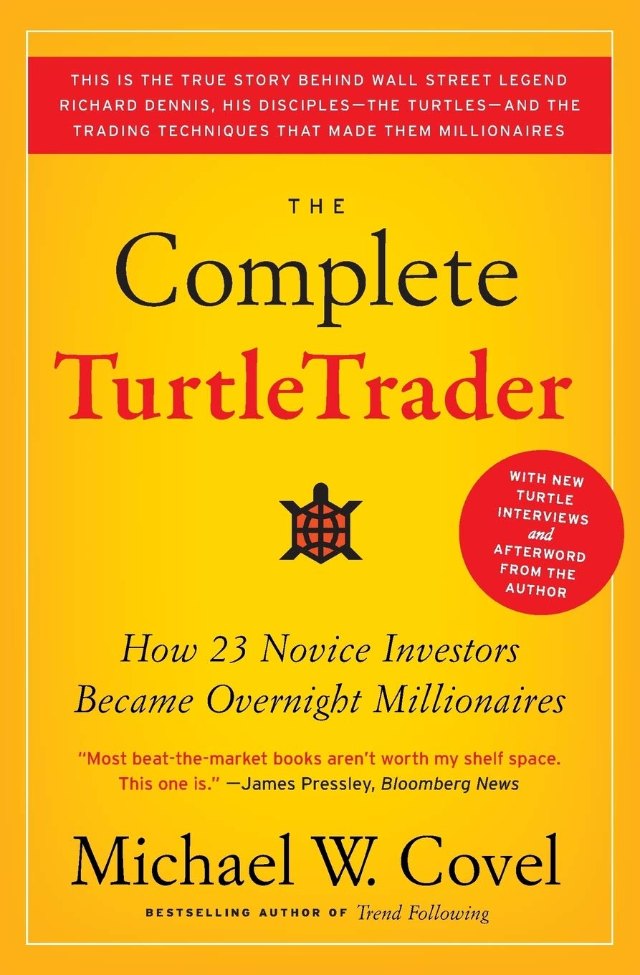
The 30-minutes-per-day standard fits Indochina Time (ICT, UTC+7). US futures markets close before the Hanoi and Ho Chi Minh City working day begins, and European markets close in the evening, so end-of-day signals can be prepared each morning. Three of Michael Covel’s books are published in Vietnamese; see covel.com in Vietnamese.
Frequently Asked Questions
Why is Vietnam important to commodity trend followers?
Because Vietnam is the world’s largest producer of robusta coffee and a leading exporter of rice, black pepper and cashews. Harvests and weather in Vietnam produce sustained trends in robusta coffee futures and other agricultural markets worldwide.
Does the managed dong limit trend following for Vietnamese traders?
It limits trends in the dong itself, which moves within a band set by the State Bank of Vietnam. Vietnamese traders who use global futures markets still have full access to trends in other currencies, bonds, equity indices and commodities.
What can Vietnamese traders trade locally?
The Hanoi Stock Exchange lists VN30 index futures and government bond futures. Through international brokers, Vietnamese traders can also reach the global futures markets that a diversified trend following portfolio uses.
TurtleTrader is Michael Covel’s site. So is TrendFollowing.com.
That’s where you’ll find his trading systems, courses, 1,400+ podcast episodes and much more.