Formal Name: Kingdom of Thailand
Local Name: Prathet Thai
Local Formal Name: Ratcha Anachak Thai
Thailand and Systematic Trading
Thailand is Southeast Asia’s second-largest economy and one of the world’s great agricultural exporters. It is the largest producer and exporter of natural rubber, one of the top rice exporters, and one of the largest sugar exporters after Brazil. Rubber trades on futures exchanges in Singapore, Osaka and Shanghai, sugar in New York and London, and rice in Chicago, so Thai harvests and export policy show up as trends in markets that systematic traders follow worldwide.
Thailand is also where the 1997 Asian financial crisis began. On July 2, 1997, the Bank of Thailand stopped defending the baht’s peg to the US dollar and let it float. The baht fell from about 25 to the dollar to more than 50 within six months, and the crisis spread to Indonesia, Malaysia and South Korea. Economists spent years arguing about the causes. A trend follower needed only the price, which kept falling for months after the float.
The Stock Exchange of Thailand lists the SET Index, and its derivatives arm, Thailand Futures Exchange (TFEX), offers SET50 index futures, gold futures and US dollar futures. Tourism, exports and foreign capital flows drive much of the baht’s behavior, which links Thai markets closely to global growth and regional risk appetite.
For Thai investors, a globally diversified systematic portfolio offers returns from trends in equity indices, bonds, currencies and commodities worldwide. Those returns do not depend on the baht, tourism arrivals or the handful of sectors that dominate the SET.
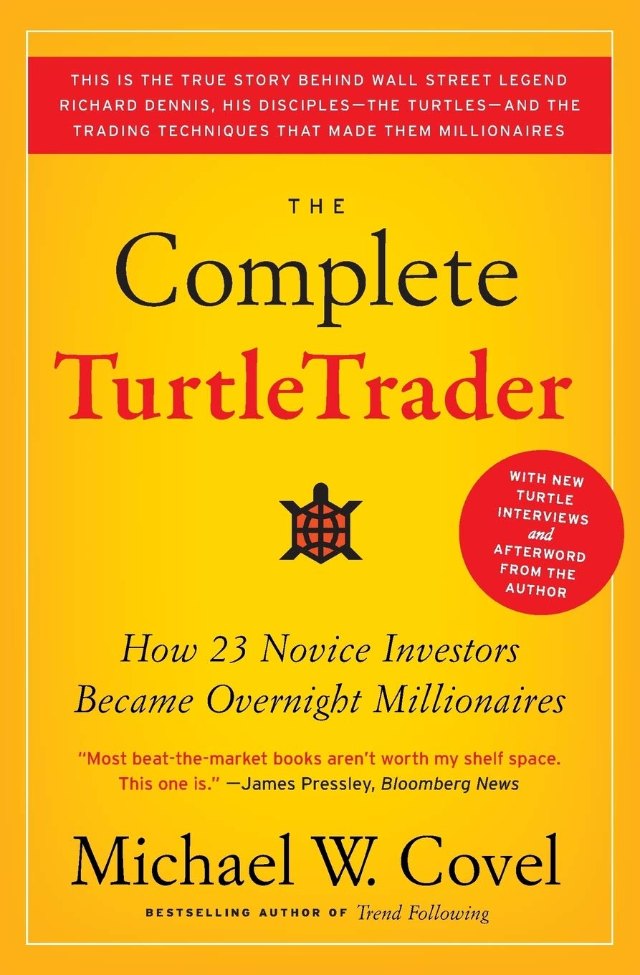
The 30-minutes-per-day standard fits Indochina Time (ICT, UTC+7). US futures markets close before the Bangkok working day begins and European markets close in the evening, so end-of-day signals can be prepared each morning. Michael Covel’s Trend Following and Trend Following Mindset are published in Thai; see covel.com in Thai.
Frequently Asked Questions
Why is Thailand important to agricultural trend followers?
Because Thailand is the world’s largest exporter of natural rubber and one of the largest exporters of rice and sugar. Weather, harvests and export policy in Thailand produce sustained trends in global rubber, rice and sugar futures.
How did the 1997 baht float affect global markets?
When Thailand let the baht float on July 2, 1997, it lost about half its value against the US dollar within six months and set off the Asian financial crisis. The move unfolded over months, which is the kind of sustained trend that systematic rules are designed to follow.
What can Thai traders trade locally?
Thailand Futures Exchange (TFEX) lists SET50 index futures, gold futures and US dollar futures. Through international brokers, Thai traders can also reach the global futures markets that a diversified trend following portfolio uses.
TurtleTrader is Michael Covel’s site. So is TrendFollowing.com.
That’s where you’ll find his trading systems, courses, 1,400+ podcast episodes and much more.