Formal Name: Commonwealth of Australia
Local Name: Australia
Local Formal Name: Commonwealth of Australia
An Introduction to Trend Following: Ideal for People Investing in Australia
Systematic Trend Following
What is trend following trading? The first part is trend. That is very straight-forward. Every trader needs a trend to make money.
Following is part two of the phrase. Trend followers wait for a market to move first and then they follow it.
Now, some argue that the term trend following is too imprecise. Others use terms like global statistical financial analysis or managed futures to describe the strategy. That debate will not be solved here. If you do not like the phrase trend following, substitute your term as you keep reading.
Trend following trading is reactive. It does not predict market direction. Trend trading demands self-discipline to follow precise rules (no guessing or wild emotions). It involves a certain risk management that uses the current market price, equity level in your account, and current market volatility.
Australia and Systematic Trading
Australia occupies a distinctive position in global systematic trading for several reasons. The Australian dollar is one of the most actively traded commodity currencies in global forex markets. Australia’s deep linkages to Chinese commodity demand, particularly through iron ore, coal, and liquefied natural gas exports, make the AUD highly sensitive to global growth cycles and commodity price trends. When China’s economy accelerates and commodity demand rises, the AUD tends to strengthen. When global risk appetite contracts or commodity prices fall, the AUD depreciates sharply. These dynamics produce the sustained directional currency trends that systematic approaches capture.
The Australian Securities Exchange (ASX) provides access to equity index futures through the SPI 200 futures contract, listed on ASX 24, formerly the Sydney Futures Exchange. Australian Government Bond futures provide access to domestic interest rate trends. For global systematic traders, Australia’s commodity-sensitive economy and floating exchange rate produce market dynamics that are valuable additions to a diversified systematic portfolio precisely because they are different from the dynamics that drive European and North American markets.
Australia has a well-developed retail investment culture and a large superannuation system that makes long-term systematic investing particularly relevant for Australian savers. The 30-minutes-per-day standard for systematic trend following aligns naturally with AEST time zone access to Asian market opens and European market closes during Australian business hours. The ASX trades between 10am and 4pm AEST, and global futures markets accessible through Australian brokers provide coverage across Asian, European, and US sessions throughout the trading day.
For Australian investors who are accustomed to the concentrated sector exposure of the ASX, where resources and financial stocks dominate, systematic trend following across global markets provides genuine diversification across sectors, geographies, and asset classes that the domestic market cannot provide alone. The AUD’s commodity correlation means that when the Australian economy faces headwinds from falling commodity prices, a globally diversified systematic portfolio may be producing returns from the same commodity price declines through futures positions, providing a natural hedge against the domestic economic cycle.
Frequently Asked Questions
Why is the Australian dollar significant for global currency trend followers?
Because the AUD is one of the major commodity currencies in global forex markets, closely linked to Chinese demand for iron ore, coal, and gas. This commodity sensitivity produces sustained directional trends when global growth cycles turn or commodity markets enter extended bull or bear phases. The AUD’s floating exchange rate allows it to adjust fully to these dynamics, producing clean trends that systematic approaches capture without the interruptions that managed currency regimes create.
What systematic trading instruments are available to Australian investors?
ASX 200 futures for Australian equity index exposure, Australian Government Bond futures for domestic interest rate trends, and through international futures brokers, access to the full range of global commodity, currency, equity index, and fixed income futures markets. Australian retail investors also have access to contracts for difference (CFDs) on major global instruments, providing systematic trend following capability across global markets through Australian-regulated brokers.
How does systematic trend following complement the ASX for Australian investors?
By providing genuine diversification from the ASX’s concentrated exposure to resources and financial stocks. When commodity prices fall and Australian economic conditions deteriorate, a globally diversified systematic portfolio may be capturing returns from those same commodity price declines through futures positions, and from unrelated trends in global currencies, bonds, and equity indices. The diversification is structural rather than just across different stocks within the same domestically-driven market conditions.
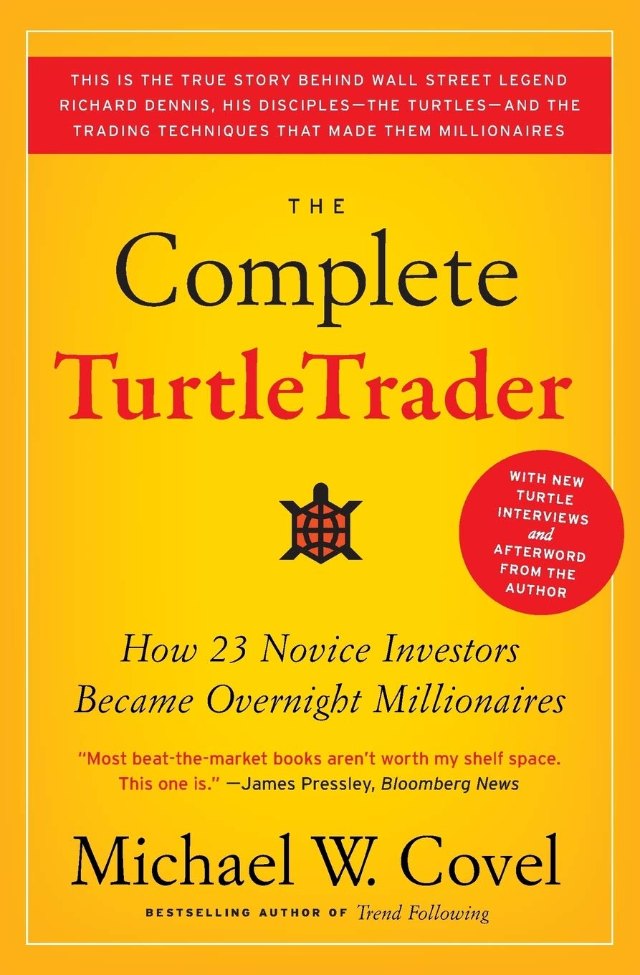
TurtleTrader is Michael Covel’s site. So is TrendFollowing.com.
That’s where you’ll find his trading systems, courses, 1,400+ podcast episodes and much more.