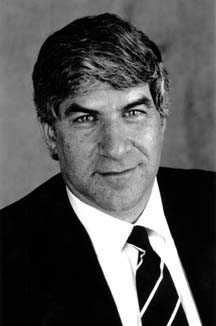
Bruce Kovner
Michael Marcus was heavily influenced by Ed Seykota. And Bruce Kovner was heavily influenced by Michael Marcus. From NewYorkmetro.com comes an article titled “George Soros’s Right-Wing Twin” about Bruce Kovner. Stories about “can do” spirit are always motivating.
The Kovner Lineage
The chain from Seykota to Marcus to Kovner is one of the most direct documented lineages in the history of systematic trading. Ed Seykota developed his systematic approach in the early 1970s and is one of the most influential traders in the history of trend following. Michael Marcus was among those influenced by Seykota’s thinking and went on to produce exceptional returns at Commodities Corporation. Kovner learned from Marcus at Commodities Corporation before founding Caxton Associates in 1983, which he ran for nearly three decades managing over $10 billion at its peak.
The lineage matters because it demonstrates that the principles underlying trend following and systematic global macro trading are transferable. Seykota did not keep his framework secret. Marcus absorbed and adapted it. Kovner absorbed and adapted Marcus’s approach. Each successive generation produced documented exceptional returns, and the core principles remained consistent: systematic analysis, defined risk management, willingness to hold positions for as long as the move continued, and the discipline to follow rules rather than opinions.
Kovner’s own statement from Market Wizards is consistent with this lineage: “I would say that risk management is the most important thing to be well understood. Undertrade is my second piece of advice. Whatever you think your position ought to be, cut it at least in half.” This is the same capital preservation and conservative sizing philosophy that runs through the entire Seykota to Marcus to Kovner chain, and through the Turtle system that Dennis and Eckhardt were developing in parallel during the same period.
Kovner’s background is the “can do” story the original page references. He left a Harvard PhD program, drove taxis, studied harpsichord, and borrowed $3,000 on his MasterCard to make his first commodity trades in 1977. He made $1,000 profit on his first two trades in interest rate and copper futures. He never stopped. By the time he retired from Caxton Associates in 2011 after running it for 28 years, he had generated tens of billions of dollars in profits for his clients. The starting point was a MasterCard cash advance and the willingness to learn the right approach from the right people.
The article’s title, “George Soros’s Right-Wing Twin,” refers to Kovner’s parallel pattern of extraordinary trading success combined with major philanthropic and political giving on the conservative side, mirroring Soros’s liberal giving. The comparison is instructive for a different reason: both Soros and Kovner built their wealth through global macro approaches that followed large macro price trends rather than picking individual stocks. The political philosophies are opposite. The trading methodologies are structurally similar.
Frequently Asked Questions
Who is Bruce Kovner and what is his trading approach?
Bruce Kovner is the founder of Caxton Associates, one of the largest and most successful global macro hedge funds in history. He founded the firm in 1983 after trading at Commodities Corporation under Michael Marcus. His approach combines global macro analysis with systematic risk management, sizing positions conservatively and maintaining discipline through drawdowns. He is profiled in Jack Schwager’s Market Wizards series. At its peak, Caxton managed over $10 billion and had been closed to new investors since 1992.
What is the Seykota-Marcus-Kovner lineage?
Ed Seykota developed a systematic trend following approach in the early 1970s and influenced many traders who encountered his thinking. Michael Marcus absorbed Seykota’s framework and produced exceptional returns at Commodities Corporation. Bruce Kovner learned from Marcus at Commodities Corporation before founding Caxton Associates. Each trader adapted the principles to their own style while maintaining the core emphasis on systematic rules, disciplined risk management, and trend-following discipline.
How did Kovner start his trading career?
After leaving a Harvard PhD program and working a variety of jobs including driving taxis, Kovner was introduced to financial markets by a family friend in 1976. He began his trading career in 1977 by borrowing $3,000 on his MasterCard and making his first trades in interest rate and copper futures. He made $1,000 profit on his first two trades. He joined Commodities Corporation as a senior trader and later founded Caxton Associates in 1983, which he ran for nearly 30 years.
Want to learn more and start trading trend following systems?
Start here