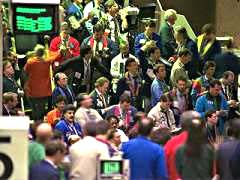
Why Commodities Are the Natural Home of Trend Following
Commodity markets were the original domain of systematic trend following for structural reasons that still apply. Agricultural commodities, energy, metals, and livestock all produce large, sustained price trends driven by supply and demand imbalances that take months or years to correct. A drought that reduces the wheat harvest does not produce a one-day spike and immediate reversal. It produces a sustained uptrend that lasts as long as the supply deficit persists. An OPEC decision to cut oil production does not produce a single-day move. It produces a trend that develops over months as the supply reduction works through global inventory levels. These are the exact conditions that systematic trend following is designed to capture.
The structural participation of commercial hedgers in commodity markets is the specific feature that gives systematic trend following its consistent source of returns. Farmers, grain elevator operators, oil producers, airlines, and food manufacturers all use commodity futures to hedge their physical exposure. Their hedging activity is not driven by profit maximization. It is driven by risk management. A corn farmer who sells futures to lock in next season’s planting cost is willing to accept below-market prices in exchange for certainty. The systematic trend follower who takes the other side of that hedge is providing the certainty and earning the premium. Over decades of commodity market participation, this structural premium is the documented source of trend following returns in commodity markets.
David Druz, who traded from Hawaii for over three decades producing compound annual returns above 600%, described what convinced him to abandon fundamental commodity analysis: “The amazing thing to me was this was all baloney. The fundamental analysis was great, but I never saw a correlation between that and trading.” The supply and demand analysis was correct. The trading signal was absent because the market had already priced the information. Price was the signal. The fundamentals were the noise.
The commodity markets that the original Turtle traders focused on, soybeans, corn, wheat, crude oil, gold, silver, copper, sugar, coffee, and cocoa, remain among the most trend-friendly markets in the world. Their sensitivity to weather, geopolitical events, and demand cycles produces the large, sustained directional moves that systematic entry and exit rules capture year after year. The names of the drivers change. The structure of the trends does not.
For individual traders, commodity futures provide capital-efficient access to global price trends through margin rather than full capital commitment. A position in crude oil futures requires a fraction of the contract’s notional value as margin, allowing diversification across multiple commodity markets simultaneously with the same capital that would buy exposure to one stock at full price. This leverage is the structural feature that allowed Dennis, Eckhardt, and the Turtle traders to compound extraordinary returns from relatively modest starting capital.
Frequently Asked Questions
Why are commodity markets particularly well-suited to trend following?
Because supply and demand imbalances in physical commodity markets take months or years to correct, producing the large, sustained directional price trends that systematic entry and exit rules capture. Agricultural shortfalls, energy production decisions, and metals demand cycles all produce multi-month trends rather than immediate price adjustments. Additionally, commercial hedgers whose participation is driven by risk management rather than profit maximization provide the structural counterparty that funds systematic trend following returns.
What is the structural source of trend following returns in commodity markets?
The risk premium paid by commercial hedgers in exchange for price certainty. A farmer who sells futures to lock in crop prices, an airline that buys jet fuel futures to eliminate fuel cost uncertainty, and a food manufacturer that hedges input costs are all willing to accept less than expected future prices in exchange for certainty now. Systematic trend followers take the other side of these hedges, providing the certainty and earning the premium. This structural transfer from hedger to speculator is the documented long-run source of commodity trend following returns.
Why do commodity fundamentals fail as a trading approach despite being analytically correct?
Because commodity markets price fundamental information faster than any individual analyst can incorporate it. The supply and demand data that a fundamental analyst processes is processed simultaneously by thousands of institutional participants. By the time the analysis is complete, the price already reflects it. David Druz spent years performing rigorous fundamental commodity analysis at Stotler before concluding it had no correlation to profitable trading. The price was the signal. The fundamentals were the price’s inputs, not the trader’s inputs.
Want to learn more and start trading trend following systems?
Start here